
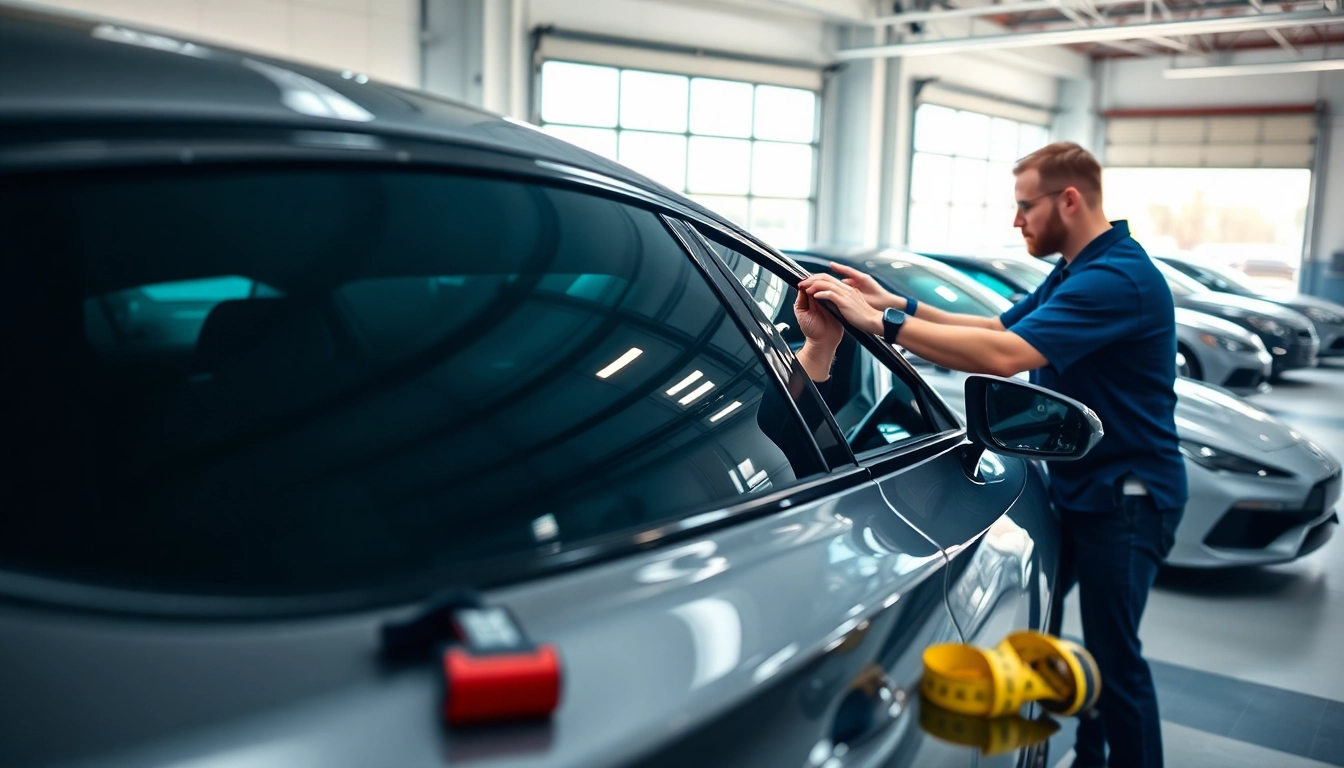
Understanding Window Tint and Its Benefits
What is Window Tint?
Window tint refers to a thin film that can be applied to the glass surfaces of cars, homes, and offices to control various factors such as heat, light, glare, and privacy. It works by using a combination of dyes and metalized materials that reflect, absorb, and filter harmful solar rays. More than just a cosmetic enhancement, window tint can significantly improve comfort and aesthetics, while also extending the lifespan of your interiors by reducing sun damage.
The Advantages of Window Tinting
Window tinting offers a myriad of benefits that enhance the overall experience for vehicle owners and property occupants. Some of the key advantages include:
- Heat Reduction: Window tints can block a significant percentage of solar heat entering your vehicle or home, making it cooler and more comfortable.
- UV Protection: High-quality tints can block up to 99% of harmful ultraviolet rays, protecting both your skin and the interior from fading.
- Enhanced Privacy: Tinted windows offer a sense of privacy and security, deterring potential thefts and unwanted attention.
- Glare Reduction: Tints significantly reduce glare from the sun and headlights at night, improving visibility and safety.
- Increased Aesthetics: A stylish tint can enhance the visual appeal of your vehicle or building, making it stand out.
Types of Window Tint Films
Choosing the right window tint film is crucial. Various types of films exist, each designed for specific functionalities:
- Dye-based Films: These films are economical but primarily designed for aesthetic purposes and limited UV protection.
- Metalized Films: These films incorporate microscopic metal particles that enhance both heat rejection and glare reduction but may interfere with electronic signals (e.g., GPS).
- Ceramic Films: The most advanced option, ceramic films offer excellent heat rejection, UV protection, and clarity without interfering with signals.
- Hybrid Films: These films combine dye and metal for a good balance of cost, performance, and aesthetics.
Choosing the Right Window Tint Near Me
Factors to Consider When Selecting Window Tint
When searching for window tinting options, it’s essential to consider various factors to ensure you make the right choice. Some key factors include:
- Performance: Determine how much heat and UV protection you need based on your climate and personal preferences.
- Legality: Make sure to check your local regulations regarding the allowable tint levels for vehicles or buildings.
- Warranty: Look for films that come with a warranty for added peace of mind regarding their longevity and performance.
- Professional Recommendations: Seek advice from professionals or trusted sources regarding the best options available in your region.
Researching Your Local Options
When you’re on the hunt for window tint near me, it’s crucial to conduct thorough research. Begin by exploring local tinting shops or mobile services. Read reviews, check testimonials from previous customers, and gauge their reputation for quality and service. Online platforms and social media can also provide insights into the experiences of others.
Common Mistakes to Avoid
Many individuals make mistakes during the window tint selection process. Here are some common pitfalls to watch out for:
- Choosing Based on Price Alone: While budget matters, opting for the cheapest option may result in inferior quality and performance.
- Ignoring Legal Restrictions: Not checking local laws can lead to fines or the need for costly removal of non-compliant tints.
- Neglecting to Ask About Installation Quality: Even the best film will not perform well if not installed properly, so inquire about the shop’s installation techniques.
Professional Installation vs. DIY Window Tint
Pros and Cons of Professional Installation
Professional installation of window tint offers several advantages:
- Expertise: Professionals have the right tools and experience, ensuring a flawless installation.
- Warranty: Many professional installations come with a warranty, protecting your investment against potential issues.
- Time Savings: Professionals can complete the job quickly, allowing you to enjoy the benefits sooner.
However, there are some cons to consider:
- Cost: Professional installation can be more expensive than a DIY project.
- Limited Time Availability: You may need to schedule an appointment and have to work around the shop’s hours.
How to Successfully DIY Window Tint
If you decide to take on the challenge of DIY window tint, here are some steps to ensure a successful project:
- Gather Essential Tools: You’ll need a sharp utility knife, a squeegee, cleaning supplies, and good-quality tint film.
- Clean the Windows: Thoroughly clean your windows to remove any dirt, grime, or residue that may interfere with the tint’s adherence.
- Measure and Cut: Carefully measure your windows and cut the tint film to size, leaving a little extra for adjustments.
- Apply the Tint: Spray a soapy solution on the glass, peel the backing off the tint, and apply it carefully, working from the center outwards to remove bubbles.
- Final Touches: Trim the edges and let the tint cure, following the manufacturer’s guidelines.
Understanding the Risks of DIY
While DIY window tinting is cost-effective, it carries some risks:
- Potential for Mistakes: Poorly applied tint can lead to bubbles, peeling, or an uneven appearance.
- Legal Violation: If your DIY tint doesn’t meet local regulations, you may face fines and the need to remove it.
- Time-Consuming: A lack of experience may result in a longer installation time and frustration.
Maintaining Your Window Tint for Longevity
Best Practices for Care and Maintenance
To ensure your window tint lasts as long as possible, follow these maintenance tips:
- Avoid Scrubbing: Use a soft cloth for cleaning instead of abrasive materials that can scratch the tint.
- Use Ammonia-Free Cleaners: Conventional glass cleaners can damage window tints; opt for ammonia-free options.
- Wait Before Rolling Windows Down: After installation, resist rolling down your windows for at least a few days to allow the adhesive to cure properly.
Knowing When to Replace Your Tint
Over time, window tint may degrade. Signs it’s time for a replacement include:
- Fading: If the tint appears significantly lighter or discolored, it may need to be replaced.
- Bubbles: Formation of bubbles underneath the film indicates delamination and might necessitate a redo.
- Peeling: If the edges of the film are peeling away, it’s time for a professional assessment.
Common Issues and Solutions
Occasional issues can arise with window tints, but many are easily remedied:
- Bubbles: Small bubbles usually disappear within a few days; if persistent, you may need a professional to remedy them.
- Residue: If the tint leaves a sticky residue, use a specialized adhesive remover to clean the glass.
- Cracking: In extreme weather, some tints may crack. If this occurs, consider replacing the film with higher-quality materials.
FAQs about Window Tint Near Me
What is the cost of window tinting?
Costs vary based on film type, vehicle size, and local pricing. Average costs range from $100 to $400.
How long does window tint last?
High-quality window tints can last up to 10 years with proper care, while lower quality might only last a few years.
Is DIY window tinting worth it?
DIY window tinting can save money but requires skill and patience. Errors can lead to costly corrections.
How do I clean tinted windows?
Use a soft, lint-free cloth and ammonia-free cleaners to maintain the tint’s condition and clarity.
Are there legal restrictions on window tinting?
Yes, window tint laws vary by state; check local regulations for permissible tint levels before installation.
